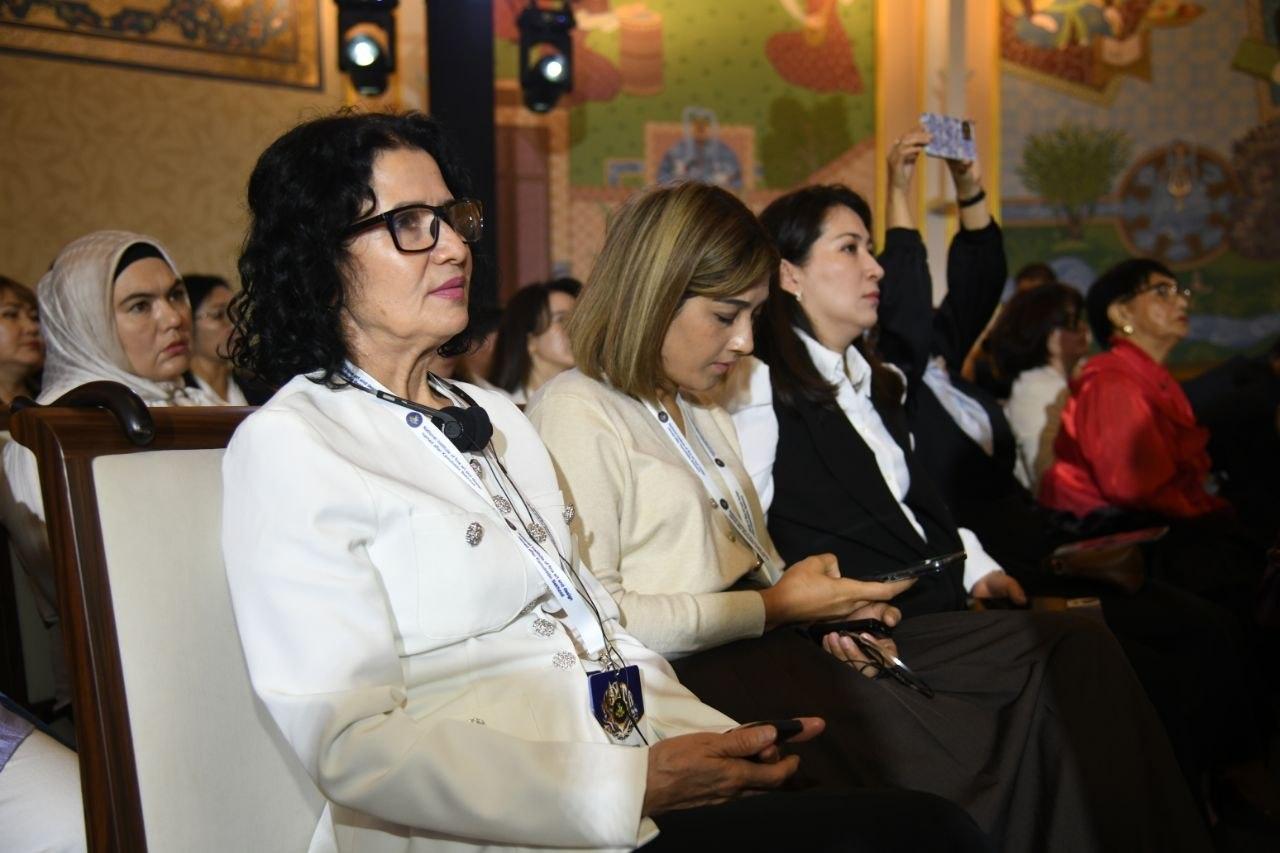
On September 24, 2026, an international scientific-theoretical conference on the topic "Museum Education in the 21st Century: Global Context and Transformations" was held in Tashkent, organized by the Kamoliddin Behzod National Institute of Art and Design.
On September 24, 2026, an international scientific-theoretical conference on the topic "Museum Education in the 21st Century: Global Context and Transformations" was held in Tashkent, organized by the Kamoliddin Behzod National Institute of Art and Design. The conference was dedicated to the current directions of development in the museum field, global practice, and the new opportunities and challenges that digital transformation presents for museums.
Alongside Uzbekistan, renowned representatives of the museum and art sphere from Azerbaijan, Iran, China, Georgia, Malaysia, Kazakhstan and France took part in the conference. At the opening ceremony, Omonulla Salikhov, rector of the Kamoliddin Behzod National Institute of Art and Design, and Akmal Nuritdinov, chairman of the Academy of Arts of Uzbekistan, welcomed the participants with congratulatory speeches.
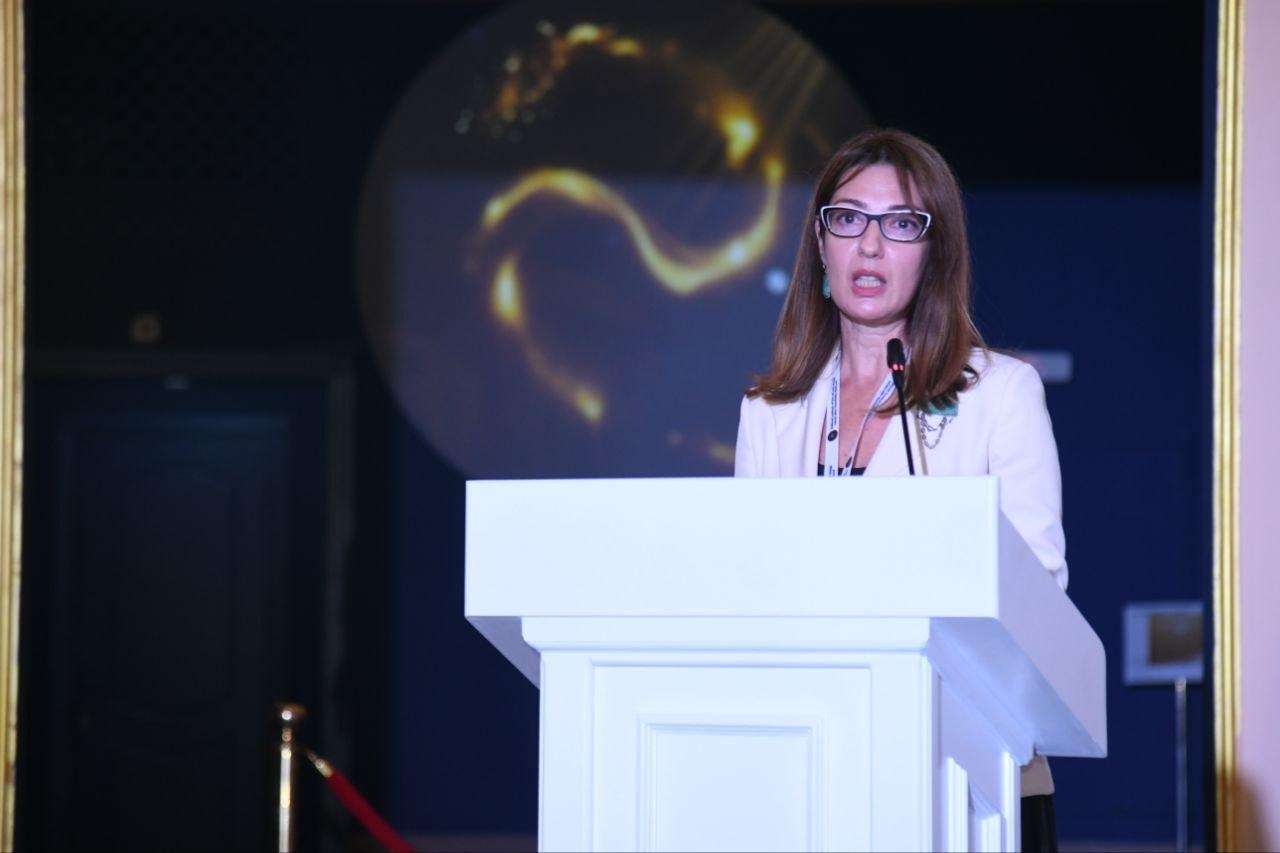
At the event, Shirin Malikova, director of the Azerbaijan National Art Museum, PhD in Art History and associate professor, delivered a report titled "The Museum Field in the Era of Digital Transformation: Technologies, Interpretation and the Visitor's New Experience."
In her speech, she spoke about the growing role of digital technologies and artificial intelligence in the operations of modern museums, the impact of these opportunities on visitor experience, and the new approaches they create for the museum field. Shirin Malikova particularly emphasized that the application of technology in museums should not become an end in itself — above all, it should enable visitors to better understand a work of art and build a deeper connection with it. In this regard, maintaining the right balance between digital opportunities and direct contact with the original artwork is of special importance.
The report also presented examples of digital projects being implemented at the Azerbaijan National Art Museum. It addressed the opportunities created by artificial intelligence, animation and augmented reality technologies in the study and interpretation of artworks, in demonstrating the restoration process, and in conveying complex historical-cultural information to visitors more clearly.
One of the key ideas of the speech is that in museum education, digital technologies and real-life experience should complement one another. Technologies can give visitors new knowledge and experiences. But the habit of seeing the original artwork with one's own eyes and carefully examining exhibits in the museum remains just as important.
-
Type :
Events -
Time :
Sept. 24, 2026 - None
event gallery